
AI Trading Bots in 2026: What They Really Do, Who They Suit, and Where They Fall Short
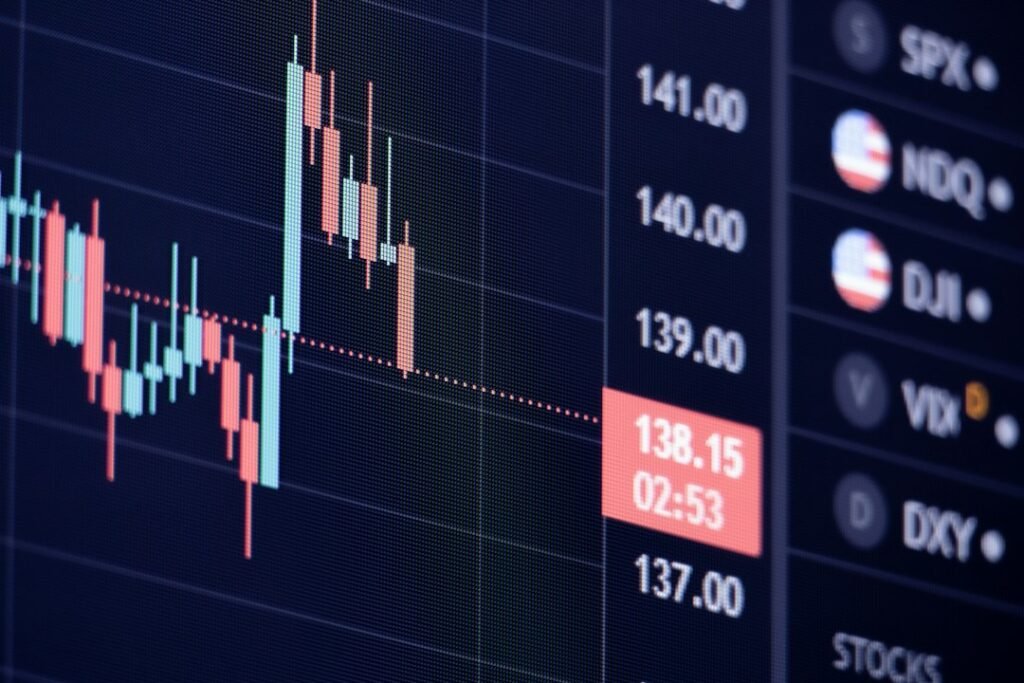
AI trading bots are everywhere in 2026, and so is the marketing around them. Promises of passive income and “set and forget” profits make for good ads, but they rarely match how these tools actually work. This guide explains what AI trading bots really do, walks through six well-known tools, and covers the risks worth understanding before you connect any bot to real money.
This article is for education only and is not financial advice. Features and pricing change often, so confirm details on each provider’s official website before you decide.
What an AI trading bot actually is
Most products sold as “AI trading bots” fall into two groups. Rule-based bots follow fixed logic that you or the vendor define: if the price does X, do Y. Grid bots and DCA (dollar-cost averaging) bots are the classic examples. AI-assisted tools add things like pattern detection, market scanning, suggested bot settings, or strategy testing on top of that.
Neither type is a licensed financial advisor, even when the chat window feels like one. The tool executes or suggests. The decisions, and the losses, are still yours.
Six tools worth knowing
3Commas
A multi-exchange crypto platform that combines SmartTrade orders with DCA and grid bots, and can route signals from TradingView. It is often named as a solid all-rounder. The trade-off is that marketplace strategies and presets still need careful review, because performance can change as market conditions shift.
Bitsgap
Brings grid, DCA and futures bots together with manual trading tools in one terminal, plus an AI assistant that suggests bot configurations. It suits crypto traders who want one dashboard across several exchanges. Treat the suggested settings as a starting point, not an answer.
Cryptohopper
Known for its AI tools, templates, copy trading and a strategy marketplace. It is a good place to test ideas, but copy trading means you are trusting someone else’s strategy with your money.
Pionex
An exchange with built-in trading bots, mostly rule-based grid-style strategies, which keeps things simple for beginners. The catch is that you trade on its own exchange instead of connecting an account you already use.
Trade Ideas
On the stock side, Trade Ideas is widely recognized for AI-powered scanning, real-time alerts, and its Holly AI system and backtesting tools. It is aimed at active day traders and sits at the higher end of the price range.
TrendSpider
Focuses on automated technical analysis and strategy testing on charts. It is a good fit if you already trade from chart patterns and want to automate the analysis and backtesting.
| Tool | Mainly for | Best suited to |
|---|---|---|
| 3Commas | Crypto bots across exchanges | Traders who want one flexible platform |
| Bitsgap | Crypto grid, DCA and futures bots | Multi-exchange dashboard users |
| Cryptohopper | Crypto bots, templates, copy trading | People testing ideas and strategies |
| Pionex | Built-in exchange bots | Beginners who want simple automation |
| Trade Ideas | Stock scanning and alerts | Active day traders |
| TrendSpider | Chart analysis and strategy testing | Technical traders |
How to judge any AI trading bot
- Transparent testing. Look for backtests that include fees and slippage, and be wary of results with no explanation of how they were produced.
- Safe account access. Use API keys with trading permission only, and keep withdrawals switched off.
- Clear fees. Check subscription costs, per-trade fees and any profit-sharing before you start.
- Paper trading. A demo mode lets you watch the bot behave without risking money.
- Risk controls. Stop-losses, position limits and a way to pause everything instantly matter more than any AI label.
- Honest claims. Guaranteed returns or “risk-free” profit is a red flag, every time.
The risks nobody puts in the ad
Backtested results are not live results. A strategy that looked excellent on past data can fail quickly when conditions change, and a bot can keep trading through a sharp move while you are asleep. Over-fitted strategies, scam “bots” that only collect deposits, leaked API keys and unexpected tax obligations are all real problems. Regulators in several countries have also started paying closer attention to how these tools are marketed.
Should you use one?
A bot can add discipline and save time, but it does not remove risk. If you decide to try one, start with paper trading or an amount you can comfortably afford to lose, run a single strategy, and review its results every week instead of assuming it is working.
Bottom line
The best AI trading bot is the one that matches how you already trade, shows its work, and gives you control. Use these tools as assistants to your own judgment, not as a replacement for it.
Disclaimer: Trading stocks, crypto and forex involves a high level of risk and you can lose some or all of your capital. Nothing here is financial, investment or legal advice.